Main LogoLight Logo
  • Reviews
  • Top 10
  • How To
  • Tech News
  • OS
    • Windows
    • MAC
    • iOS
    • Android
  • Categories
    • Driver Updater
    • Cyber Security
    • Games
    • Fitness
    • Entertainment
    • Tips & Tricks
How To Windows
by Snigdha

How To Take a Screenshot on Windows HP Laptop?

May 20, 2020
1

If you are wondering how to take a screenshot on an HP laptop, then refer to our tutorial to learn about some extremely easy ways of taking screenshots.

Taking screenshots in today’s fast track world seems to be an easy option when you want to retain some information, image, etc for a while. 

But the method to take screenshots differs from device to device. For instance, smartphone devices come with some built-in screen capture apps or other third-party screenshot apps are available too. Similarly, for the iPad, there is a separate way to capture the screen.

As a newbie, sometimes it becomes challenging to understand how to do a particular task quickly; therefore, you might be in need of a blog like this to help you out.

For most laptops, the screenshot capturing process is the same. Let us now see how to screenshot on an HP laptop.

Table of Contents hide
Quick & Easy Methods to Take a Screenshot on HP Laptop
Method 1: Take a Screenshot of the Full Screen
Method 2: Take a Screenshot of the Active Window
Method 3: Custom Screenshot
Method 4: Using Microsoft’s Screenshot Tool
Method 5: Using Browser Extensions & Add-ons
Fix Your Screenshot Issue by Updating Device Drivers

Quick & Easy Methods to Take a Screenshot on HP Laptop

Below described are five methods to take a screenshot on the HP system.

Method 1: Take a Screenshot of the Full Screen

When you see a really important piece of information on your screen, an image, a person’s contact information, or wish to retain a chat for future reference, taking a quick screenshot seems like the only feasible option but if you have this question on your mind as to how to screenshot on HP, then we have got you covered with our first solution here.

To take a quick and easy screenshot, see the below steps:

  • Hit the PrtScn or Print Screen key on your laptop keyboard.
  • Launch the image editor apps such as the Paint or Photoshop application or simply open an MS Word file where you can paste the screenshot.
  • Now using the crop feature, edit the screenshot as per your needs and save the image on your HP laptop.

You can now use the screenshot as needed to simply retain it for some future reference or use.

An Alternative Method For Windows 8/10 Users

For Windows 8/10 users, there is another easier option to take a screenshot:

  • Hit the Windows key + PrtScn/Print Screen together on your laptop’s keyboard.
  • Now launch the File Explorer (press Win + E key simultaneously).
  • Navigate to the path: This PC > My Pictures > Screenshots
  • The screenshot would be saved here in this location.
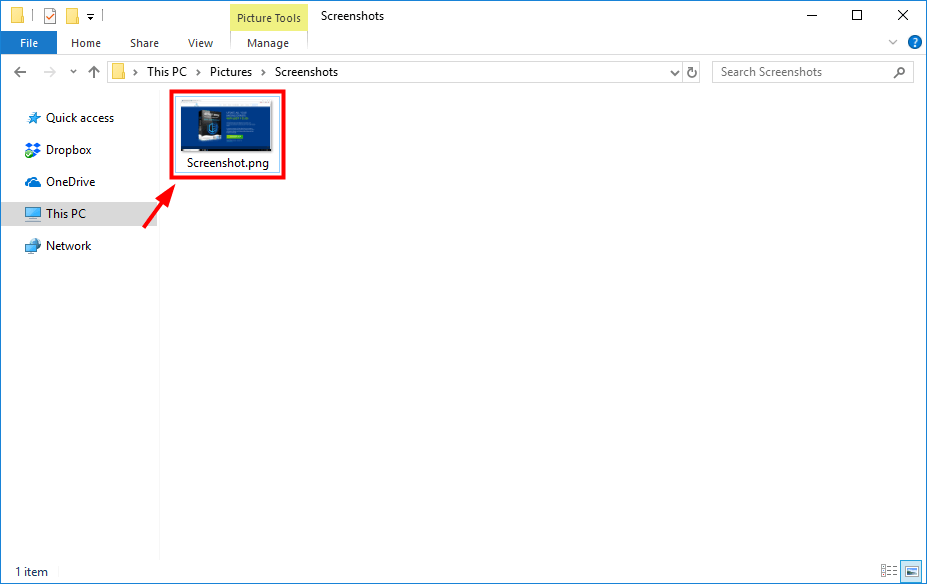
Take a Screenshot of the Full Screen Using Print Screen Key

Read More: Dell vs HP: Which Laptop Brand is Better in 2020


Method 2: Take a Screenshot of the Active Window

Learn how to take a screenshot on HP laptop of the active window i.e. the window which is currently in use; from the below steps:

  • On your HP laptop keyboard, hit the Alt Key + PrtScn or Print Screen key together. 

This action will capture the active window of your system and a copy will be saved to the clipboard.

  • In the image editor app like the Paint or Photoshop application paste the screenshot.
  • Now edit the screenshot as you like with the editing tools and features and use it as required.

Method 3: Custom Screenshot

In order to take a specific screenshot on an HP laptop, you can use the Snipping Tool. Here’s how you can use the tool:

  • Go to the Snipping Tool desktop application and click on the icon “New” of the snipping tool window.
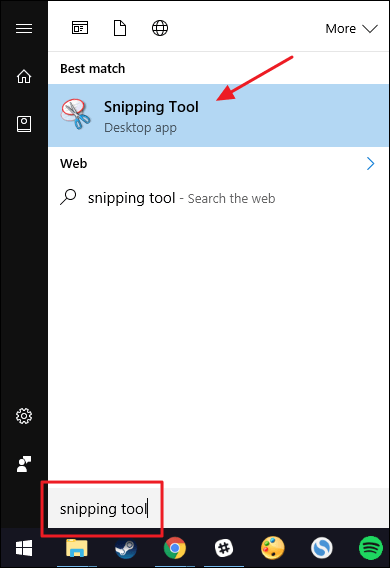
Use Custom Screenshot Method to Take a Screenshot on Windows HP Laptop
  • Now click and drag the mouse pointer over the area of the screen that you want to screenshot on your HP laptop. This will select the region you want to capture.
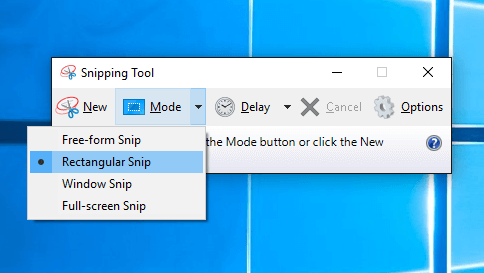
Use Custom Screenshot Method to Take a Screenshot
  • Once you have selected the region, you can then release the mouse.
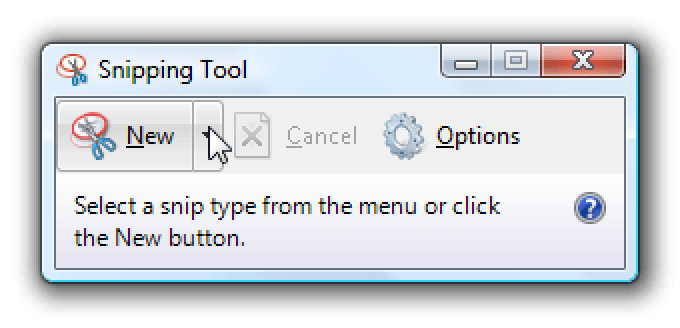
Use Snipping Tool to Take a Screenshot
  • This will open the snippet in the Snipping Tool window, and to save it, you need to hit the Save button.

Method 4: Using Microsoft’s Screenshot Tool

Microsoft’s screenshot tool ‘Snip’ is a handy screenshot tool that you can find in your HP laptop. With this tool you can take screenshots on your HP laptop easily. Following are the steps to do this:

  • You can install “Microsoft Snip” from Microsoft’s Homepage.
  • You can then launch this tool and choose the option of “Capture” from the program interface.
  • Click on the window that you want to screenshot by pressing down the mouse button.
  • The image gets saved in the clipboard automatically.
  • It can further be saved to the albums and shared via email or other messengers.

Read More: How to Track Someone’s Location by Using Phone Number


Method 5: Using Browser Extensions & Add-ons

If you want to know how you can take a screenshot on your HP laptop from a web page, then you can use browser add-ons to capture a screenshot. 

Using an extension makes capturing a screenshot easy which can be pasted onto another webpage or file or can even be saved onto the hard drive. When it comes to choosing the best addons as per your web browser, then you can go with the below choices:

Google Chrome – FireShot, Lightshot, Awesome Screenshot

Mozilla Firefox – Fireshot, Awesome Screenshot Plus

Once you have decided which screenshot browser extension you want to use, you can then go to Chrome Web Store and install the extension by clicking “Add Add-On button.”

Once the installation is complete, you can then see the extension appear in the top right corner beside the search bar. If you want to remove the extension from the browser, then  you use a right-click to open the menu and choose the option of “Remove from Chrome.”

When you want to take a screenshot, you can click on the tool icon from the top bar and select the area that you want to capture. Then, you can either click on the “Copy” button to paste it elsewhere or else press the “Save” button to save it to the albums or My Picture folder.

So, this is all folks about how to screenshot on an HP laptop. However, if you are experiencing some issues while capturing the screenshots, then we have a suggestion to fix your screenshot issue.


Fix Your Screenshot Issue by Updating Device Drivers

When you are taking screenshots on your HP laptop, if you are unable to capture anything, or the screenshot appears to be black or twisted, then it might be happening due to outdated system drivers.

It is a known fact that device drivers play an important role in managing the overall function of your system. So, any issue with the system performance obviously indicates an underlying problem with the device drivers. You can update the device drivers as per the below outlined ways given in the below segment.

You can either opt to download and install the device drivers manually from the manufacturer’s website or else you can make use of a top-notch driver update software like the Bit Driver Updater.
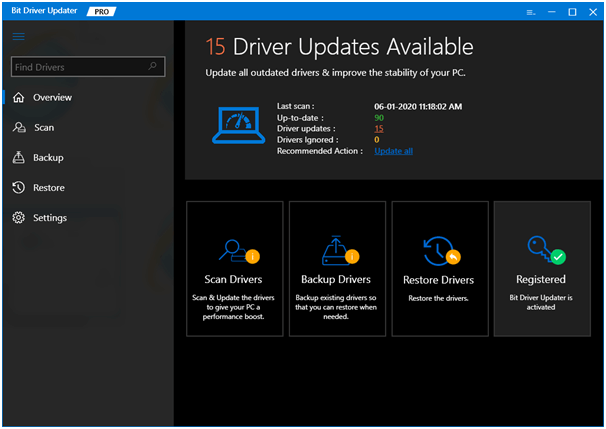
Bit Driver Updater - Best Driver Updater Software

  • You can visit the website and install the tool on your HP system.
  • Once the installation is complete, you can then scan your system with this tool.
  • Upon scanning, the driver updater tool will detect all the potential driver-related issues in your system such as missing, out-of-date, or malfunctioning drivers.
  • It will retrieve the results and also download the updated versions of those drivers.
  • Using the one-click update feature, you can install all your outdated and faulty drivers at once.
  • If you face any issues in handling the tool, you can reach out to their customer support team at any time of the day and they will be able to assist you immediately.

Read More: Best Free Driver Updater Software For Windows 10/8.1/8/7


Summarizing: To Take a Screenshot on HP Laptop

Thus, you learned from this article that taking a screenshot is an extremely simple task and you can easily do so either by capturing the whole screen into the screenshot and then cropping it as per your need or by taking a custom screenshot.

Additionally, you also learned about troubleshooting screenshot capturing issues by automatically updating system drivers from this blog.

Hopefully, you found this article helpful in understanding how to take a screenshot on the HP laptop. Do let us know your thoughts and suggestions in the comments section below.

Author

Snigdha

Snigdha is a technical content writer with expertise in the field of science & technology. Though she has a very diverse academic and professional profile yet she finds writing to be a creative form that she was unable to explore so far. When not writing, she can be found indulging in other forms of creativity like painting or travelling.

View all posts

Related Posts
Download, Install and Update Motherboard Drivers in Windows 11/10/8/7

Download, Install and Update Motherboard Drivers in Windows 11/10/8/7

July 5, 2022
0

If you want to know the methods to download and update the motherboard drivers, then this article lists the safest ways to do the same on your Windows 11/10/8/7 PC. 

The motherboard is the core of any PC. This is the device that connects your system to other devices. Although it is a simple circuit board, the motherboard ensures that your system works in harmony with the inputs and outputs. Hence, the importance of a smooth working motherboard is just everything.

But how to ensure that the motherboard on your computer works perfectly?

The answer to this is up-to-date motherboard drivers. Drivers are the key that makes the communication between the device and your system feasible. Hence, when the system gets updated drivers, you get optimal performance out of your system. So, you should update the motherboard drivers regularly and properly.

To help you with the same, we have brought together this simple guide for you.

In the upcoming sections of this article, you will find some effective ways to download motherboard drivers as well as update and install them as required. These methods are indeed the simplest of all, and above that, safe to use for everyone. So, you can take the help of any of the methods to get the latest version of the drivers you want.

How to Download, Install and Update Motherboard Drivers on Windows

Now, we will have a look at various methods to download motherboard drivers. Using these, you can easily install the latest version of the drivers. Both manual and automatic methods to install the driver are presented below, so, go through all of the methods first and then use the one that suits you the best.

Method 1: Manually Download Motherboard Drivers from the Official Website

The foremost method to download motherboard drivers is with the manufacturer’s website. The manufacturers of the device provide either a support page or a Downloads/Drivers page to help you get the updates. You can use the same on your device and get personalized updates for all the drivers as per your operating system.

As every manufacturer has a different website, we can’t present you with all of these. Hence, below you will find a generic procedure to update the drivers using any manufacturer’s website:

  1. Firstly, visit the official website of the manufacturer and click on the Downloads, Drivers, or Support page.
  2. Here, on the support page, you may need to look for the Downloads/Drivers section. Click on the same to proceed.
  3. Now, you can either search for the product you own or select the same product from categories.
  4. Navigate to the product page from the search results.
  5. Next, you need to find the section that allows you to change and select the operating system installed on your PC.
  6. When you select the operating system, you will see a list of drivers available for Download. Either click on the download button across the required drivers or open the driver description and then proceed with the download.
  7. When the download is complete, you may need to unzip the file.
  8. Install the driver now with ease.

The above method to download motherboard drivers is a little confusing. You may not be able to find the required divers through this. So, you can take the help of either of the next methods for better results.

Also Read: Gigabyte Motherboard Drivers for Windows


Method 2: Use the Driver Manager to Update Motherboard Drivers

Second, comes the Device Manager as a secure method to update motherboard drivers. Device Manager, as the name suggests, is a Windows-integrated utility to control every aspect of the devices connected to the system, integrated and otherwise. You can use the same to update the drivers as well. Follow the procedure shown below to proceed:

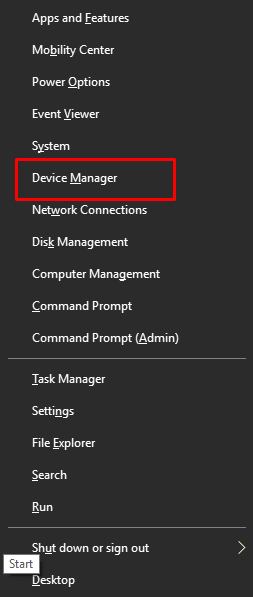
  1. Right-click on the Start button to open the menu tray. Select Device Manager from the same to run the tool.Open Device manager
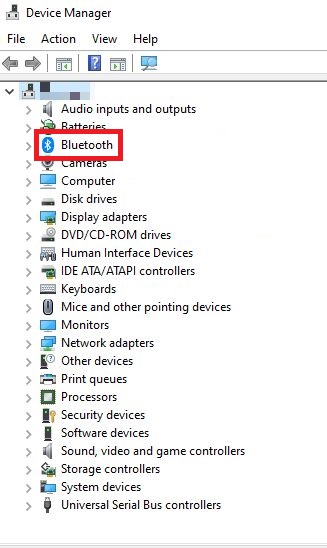
  2. The tool will list various categories of devices. Expand any one of these. (Ex. Audio inputs and outputs)
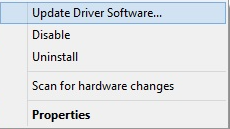
  3. Right-click on the motherboard device. From the drop-down menu select the option named Update Driver.Update driver in windows 10
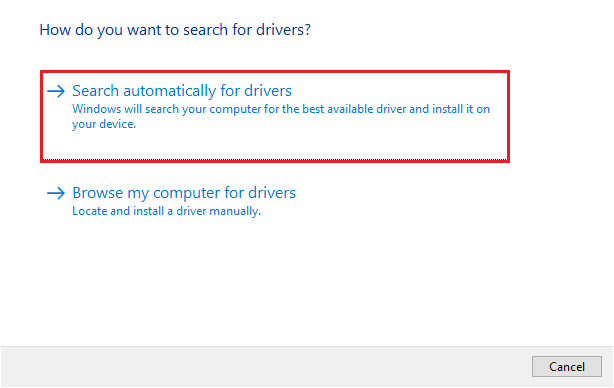
  4. Your system will notify you to select the method to search the driver. You should click on Search automatically for driver updates.Search automatically for drivers in windows 11
  5. When the system detects the updates, follow the instructions that appear to install the driver.
  6. Restart your PC at the end to install the driver successfully.

This method to update the driver is manual as well. If you were looking for an automatic method, you should use the next one.


Method 3: Take the Help of the Bit Driver Updater For Updates (Automatically)

The above methods to update and install motherboard drivers were manual, hence, complicated. Additionally, these do not provide advanced options to control the drivers. The worst part? You can not download and install all kinds of drivers at once.

All these problems and Bit Driver Updater is the optimal solution.

Bit Driver Updater is amongst the best driver updater tools that allow you to download and update all kinds of drivers. Apart from this, the tool is not just any regular driver updater. You will find various advanced features with the updater like single-click updates, deep scanning for updates, and many more.

With smart options to backup and restore the drivers, you can get the assurance that you can get the last version of the driver back if required. However, if you don’t have the time now. You can also update the drivers at a specific time using the Update Schedule feature.

But that’s not everything. You will get access to more features when you download and use the updater. For now, let’s know how you can update and install motherboard drivers using the Bit Driver Updater:

  1. Click on the button shown below and Download to tool setup.Windows Download Button
  2. After you install the tool, run it on the system.
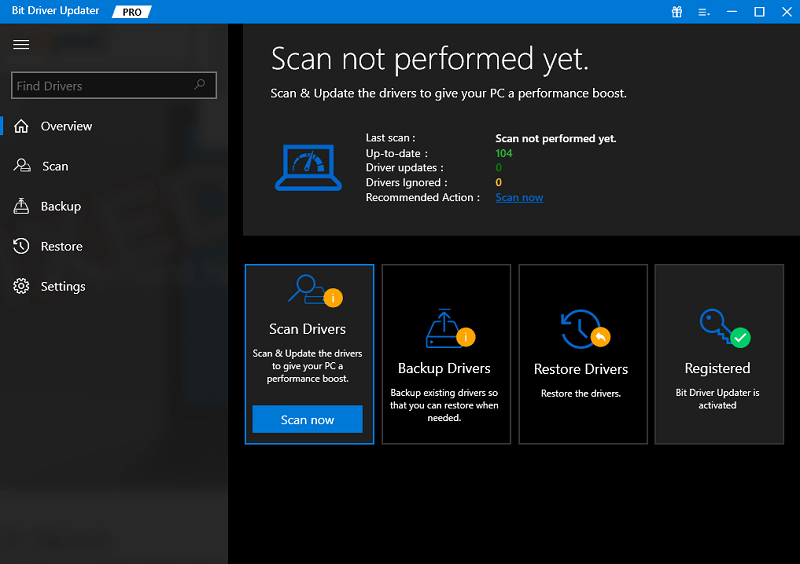
  3. The software will start scanning for updates automatically. However, you can use the Scan Drivers button if the scan does not start.Scan the Outdated driver through Bit Driver Updater
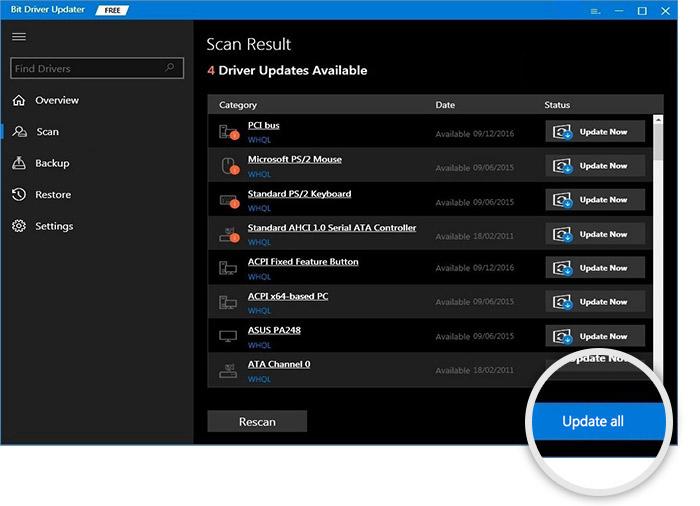
  4. When you find that the scanning has stopped, click on the Update All button to get the latest updates for all the drivers at once. Alternatively, the Update Now button(s) can help you get individual updates as well.Update all the driver through bit driver updater
  5. Restart the system when the updates are installed.

Frequently Asked Questions About Motherboard Drivers

If you still have any doubts related to the motherboard drivers, then the below FAQs may be able to help you.

Q.1 What drivers does my motherboard need?

Although you should install all kinds of motherboard drivers on your PC. But you should essentially have drivers of USB, audio, network, SATA, PCI, etc. These are the basic drivers that improve the performance of your system.

Q.2 Do you need to update motherboard drivers?

Yes, you need to update motherboard drivers regularly so that you do not face any problems while running and using various devices. Additionally, updating the drivers also means that you will get improved performance for your device.

Q.3 How do I check my motherboard drivers?

To know or check the motherboard details, you need to take the help of the Device Manager. Run the tool and expand the device category. After this, you need to right-click on the device and open Properties. Here under the driver tab, you will get all the information about the motherboard driver.

Q.4 How do I check if my motherboard drivers are up to date?

To check if your motherboard drivers are up to date, you can take the help of the Bit Driver Updater tool. This tool will inform you if any diver is outdated and provide quick updates as well.

Q.5 Is Updating motherboard drivers safe?

Yes, updating motherboard drivers is safe as long as you install the drivers from a trusted source. We have listed and explained the safest ways to update motherboard drivers above.

Q.6 Does Windows 10 automatically update motherboard drivers?

Yes, at times, Windows 10 may automatically update the motherboard drivers when you update the OS. However, updating the drivers using Windows updates is not always reliable as the utility does not provide updates for all the drivers.

Also Read: How to Download PCI Device Driver for Windows


Download, Update, and Install Motherboard Drivers: Successful

So, we hope that the above methods to download and install motherboard drivers on Windows 11/10/8/7 helped you. All of these methods are tested by our technical team first and then listed here. Hence, these are completely safe to use. One of these methods will surely update the required drivers for you with ease.

But what if you face any problems while you are updating the drivers? There is no reason to panic. You can state the problems in the comments section below. We will provide you with the solutions as soon as possible. Additionally, you can also suggest your views and reviews related to the article in the same.

If you liked this article, why don’t you show some love? Share the write-up on different social media platforms and inform others. Moreover, if you want to stay up-to-date with such interesting updates. You can provide your email in the box below and subscribe to our newsletter. We will send you instant updates about new tech blogs, news, and more to your inbox.

How to Fix BIOS Not Detecting SSD in Computer PC

How to Fix BIOS Not Detecting SSD in Computer PC

August 29, 2023
0

BIOS not detecting SSD in Windows 10, 11? Nothing to worry about, the post includes 6 most workable solutions to quickly resolve the problem.

The BIOS is associated with the PC’s boot mechanism, which is the component of the machine that helps enable the system so that it can perform its functions. In the event that the BIOS does not identify the solid-state drive (SSD), this might perhaps shed light on underlying problems associated with the SSD or the associated connection with device. Drives that aren’t working properly might sometimes result in an error message, such as “solid-state drive (SSD) not detected.”

The Solid State Drive (SSD) has repeatedly shown itself to be a dependable and effective computer storage choice. Users depend on solid-state drives (SSD) for greater performance since functionality & speed are what SSDs excel at providing. In comparison, conventional drives (HDD) are not as common. It has a quick read & write speed, is noiseless, and has a low power consumption, all of which make it convenient for users. Despite the fact that the Windows operating system is compatible with the device, there is still a possibility that the device would display an error, such as solid-state drive not being detected, or SSD not showing up in BIOS.

After you have connected the SSD to your system, you will get an error notice, and you will be unable to locate the drive using any of the available tools, including File Explorer, Disk Management, or, My Computer. There is a chance that the BIOS is not detecting SSD on Windows 10, 11. The reasons why the solid-state drive is not being recognized are outlined below, along with some remedies that may be put into practice. Continue reading!

Why Does the BIOS Not Detect Solid-State Drive?

The problem of an unrecognized SSD is a frequent one. Generally, this occurs as a result of fundamental issues with SSD. Either via the use of connections or technological means. When boot system is unable to identify the solid-state drive (SSD), it indicates that your system is not switched on in a functioning state, and you will be unable to do any tasks. So, since the BIOS is not detecting SSD Windows 11, 10, let’s explore some other possibilities for why this is happening.

  • Problems with the settings of BIOS.
  • Issues with the SATA driver.
  • Hardware failure.

Solutions To Fix BIOS Not Detecting SSD In Windows PC

After determining the factors that led to the mistake, such as the absence of a solid-state drive (SSD) or the failure of the operating system’s BIOS to recognize an SSD, the subsequent action is to hunt for suitable solutions to deal with the issue. This section presents a few potential solutions to resolve BIOS not detecting SSD in Windows 10, 11. Let us get this party started!

Solution 1: Troubleshooting Hardware Failure

A problem with the hardware might prevent the BIOS from recognizing your SSD. Therefore, you’ll need to verify the hardware of your SSD as well as the ports that relate to it to ensure that they are operating correctly.

In addition to this, you may move the SSD to a different port on the computer and check to see whether the BIOS can recognize it.

Don’t be concerned if in case, hardware is functioning well but you’re still experiencing issues. Proceed to the other available option to solve BIOS not detecting SSD in Windows 11, 10.

Also Read: How to Replace Hard Disk with SSD without data loss


Solution 2: Update Outdated Drivers

It is possible for your computer’s BIOS to fail to recognize your solid-state drive (SSD), particularly if your SSD driver or motherboard driver is out of date. Therefore, it is essential that you regularly update the drivers for all of your devices.

There are two major methods available to update the device drivers on your computer: manually and automatically.

Manual Driver Update: Manually updating the driver requires going to the website of the device manufacturer, where you will search for the driver for your hardware device, and then downloading the most recent version. After that, you will need to install it on your computer manually. Ensure you get the version that is compatible with the Windows OS you are using. This takes both time and the ability to use a computer.

Automatic driver update: If you don’t have the time or patience to manually update your outdated, missing, or broken drivers, you may use Bit Driver Updater to do it automatically.

Bit Driver Updater will automatically identify your computer’s configuration and search for the appropriate drivers for it. You are not required to have a precise understanding of the operating system that your computer utilizes, you are not required to take the chance of downloading & installing the incorrect driver, plus, you are not required to worry about making mistakes during the entire installation process.

You are able to automatically update your drivers by using either the free version or the paid Pro version. However, with the Pro version, you just need to make two clicks (and you’ll receive full support as well as a guarantee that you may get your money back within 60 days):

Step 1: Download and install Bit Driver Updater from the button below.

Windows-Download-Button

Step 2: Launch Bit Driver Updater on your PC, then choose Scan from the menu presented on the left. After that, Bit Driver Updater will scan your PC to identify any problematic drivers.Scan outdated driver of your windows pc

Step 3: Wait for the scanning to be finished. If you are using the Free version, then you can click on the Update Now button available next to the driver you wish to update. And, if you are using the Pro version, then you may also click on the Update All button to automatically download and install the most recent versions of all the drivers on your system that are either missing or no longer supported.Update all outdated driver of your windows pc

Step 4: Once done, reboot your computer to apply new drivers.

Thereafter, go into the BIOS and check to see whether it recognizes your SSD. If you still run into SSD not showing up in BIOS, then try another solution.


Solution 3: Change the SSD Settings in the System’s BIOS

Another solution to the problem of the BIOS not detecting SSD is to configure the settings for the SSD in the BIOS. This problem often arises when the drive itself does not configure the settings for the SATA controller. Every model has its own unique configuration options. For instance, we are using Lenovo here. Follow these procedures to configure the controller drive:

Step 1: Rebooting your system is the first step in commencing the procedure. When you see the screen that says “start,” hit the F2 key on your keyboard.

Step 2: Once you have pressed the F2 key, hit the Enter key to start the setup process in config.

Step 3: After that, choose the serial ATA option, and press Enter key to go on to the next step.

Step 4: You should now be able to locate the SATA controller mode selection inside the serial ATA window. Choose the compatibility mode for the IDE.

Step 5: Once you have finished making modifications, save them and then restart the PC once again so that you may enter the BIOS and start the boot process.

Since the issue has been resolved, the BIOS should now be able to identify the SSD.

Also Read: Best SSD Health Check Software for Windows and Mac


Solution 4: Replacing the Data Cable

The data connection that links the solid-state drive (SSD) to the motherboard is prone to wear and strain over time, which may lead to a typical issue including SSD not showing up in BIOS. You should make an effort to get a different one and attach it to determine whether or not the problematic item is this one. Proceed with the other solutions mentioned below if this doesn’t work.


Solution 5: Use the Hardware and Devices Troubleshooter

Utilizing the native or inbuilt Hardware and Devices Troubleshooter utility tool, you will be able to instantly fix any faults relating to your SSD. To do so, you need to follow the steps below:

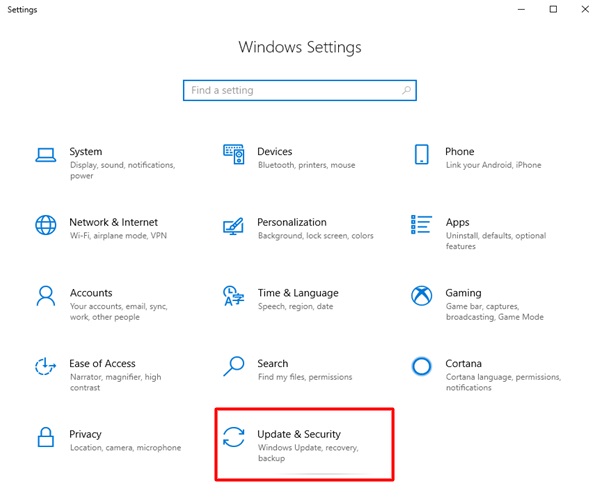
Step 1: Altogether press Windows + I keys to run Windows Settings.open the Windows Settings in Windows 11

Step 2: Click on the “Update & Security” button.Click on update and security

Step 3: Click “Troubleshoot” from the list on the left, then pick “Hardware and Devices,” and then click on “Run the troubleshooter” in order to launch the diagnostic tool. It’s possible that this will fix the problems with your SSD disk.


Solution 6: Create a Backup of your Solid-State Drive

From this point forward, you may use this knowledge to both foresee and find solutions to numerous problems. Keep in mind that your solid-state drive (SSD) is a gadget, and as such, although it’s likely to function normally for a number of years, there is always the possibility that it might develop issues at any time owing to a variety of causes such as power outages, strikes, or viruses. It is essential that you create backups of all your crucial information in order to reduce the likelihood of experiencing any problems. There are a lot of different methods to do this, additionally, there are third-party software available that can perform it on an ongoing and automated basis.

Also Read: Fixed: Unmountable Boot Volume on Windows 10, 11


How to Fix BIOS Not Detecting SSD in PC: Explained

So, that’s all! We hope this article helps you solve the BIOS not detecting SSD on Windows 10, 11. Please don’t hesitate to ask any questions or make any comments below if you have any ideas or thoughts.

For more technical information, you can subscribe to our Newsletter and follow us on Social Media – Facebook, Instagram, Twitter, or Pinterest.

1 Comment
    Hamilton says: Reply
    May 28th 2020, 8:15 am

    Thanks for sharing the blog. I really like your article. Each & every point you mention clearly. Thanks.

Leave a Reply to Hamilton Cancel reply

Your email address will not be published. Required fields are marked *

Sidebar Image bit G ad1

Latest Posts

  • Best-Free-Online-Portfolio-Websites-in-2026
    Best Free Online Portfolio Websites in 2026
    by adminuser / March 16, 2026
  • Anytime Astro: Best Website For Online Astrology Consultation
    Anytime Astro: Connect Now For Online Astrology Consultation
    by Somya Shrimal / March 13, 2026
  • Best-Ways-to-Combine-Images-Into-PDF-Files
    Best Ways to Combine Images Into PDF Files
    by Niharika / March 12, 2026
  • Best FREE VPS Hosting Providers
    7 Best FREE VPS Hosting Providers in 2026
    by Devesh / March 12, 2026
  • Best-McAfee-alternative-software-to-use-for-Virus-Protection
    Best McAfee Alternative Software to use for Virus Protection
    by adminuser / February 11, 2026

Categories

  • Cyber Security
  • Driver Updater
  • Entertainment
  • Fitness
  • Games
  • How To
  • laptop
  • OS
  • Reviews
  • Tech News
  • Tips & Tricks
  • Top 10
Sidebar Image bit G ad1
Instagram Introduces New Features to Reduce Online Bullying Instagram Introduces New Features to Reduce Online Bullyingby Prachi Dani / May 18, 2020
How to Use Google Authenticator For Your Facebook Accountby Prachi Dani / May 20, 2020How-to-Use-Google-Authenticator-For-Your-Facebook-Account
TechPout Footer Logo

We at TechPout promise to put forth stories that help people to learn and simplify their digital life. Our purpose is to share the true essence of technology with our tech-loving community.

Useful Links

  • About Us
  • Contact us
  • Privacy Policy

Popular Posts

  • Best PC Optimizer Software
  • Best Mac Cleaner Apps
  • Best Driver Updater
  • Duplicate Photo Finder and Cleaner Software
  • Best Free Movie Download Sites
  • Best IPTV Players

Follow us

Copyright © 2026 www.techpout.com. All rights reserved
DMCA.com Protection Status