
A subnet mask helps computers know which devices are nearby on the same network and which are farther away on other networks. This makes it possible for your device to decide where to send data and who can communicate directly. Subnet masks are an important part of how networks work, and understanding them can help with configuration, routing, and security. This article explains subnet masks in simple terms, with a focus on the widely used 32-bit subnet mask.
What Is a Subnet Mask
The subnet mask is a 32-bit number that breaks an IPv4 address into a host portion and a network portion. This division helps split one large network into smaller, manageable subnets. The subnet mask defines which portion of an IP address identifies the host device and which part identifies the network. Written in dotted decimal or CIDR shorthand (for example, /32), subnetting improves network security, performance, and organization.
What does a /32 Subnet Mask Mean in an IP Address
The /32 subnet mask in an IP address means all 32 bits are used for the network or host identifier, leaving no bits for host addresses and resulting in a single, isolated IP address. It’s like having a mailbox for just one house, instead of a shared mailbox for an entire street. That means that, unlike larger subnets where the address is the network ID and the last is the broadcast address, a /32 IP has only a host address.
Also know: How to Change the IP Address on your Android Device
How Is a /32 IP Address Used
A /32 subnet mask is generally used for loopback interfaces, host-specific routing, Access Control Lists (ACLs), AWS security group rules, and static host routes. For example, you might use a /32 mask to allow only your laptop’s IP address through a firewall or in a cloud security group, ensuring that only one specific device can access a resource.
- Loopback interfaces: A loopback interface is a virtual interface that is always active as long as the device is active and does not need a physical port to work. The /32 is assigned to loopback interfaces on servers and routers to ensure stable and non-hardware-dependent IP addresses.
- Host-specific routing: The/32 subnet mask is used in host-specific routing to match and direct traffic completely to one specific IP address and not the whole subnet range.
- Access Control Lists (ACLs): For Access Control Lists (ACLs), the subnet mask 32 is used to allow or disallow traffic to or from an exact individual device.
- AWS security group rules: In AWS, the subnet mask /32 is used to add an inbound rule to a security group, permitting traffic only from one IP address.
- Static host routes: A static host route with a /32 subnet destination lets the router know where to send traffic destined for a specific IP to route management traffic, configure VPN split tunneling, or blackhole routes to prevent specific attackers.
However, if you are unsure of your subnet mask, you can find it easily using built-in Windows options.
How to Find Your Subnet Mask
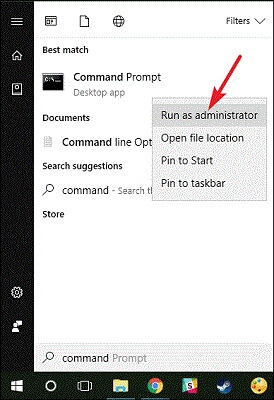
To find your subnet mask, you can use Command Prompt in Windows. Here is how.
- Click the Start button on the extreme left of the taskbar.
- Type cmd in the search bar.
- Right-click Command Prompt in the search results and then click Run as administrator.
- Grant the necessary permission to open Command Prompt as Administrator.
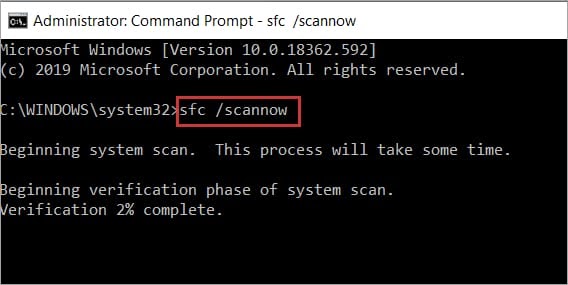
- In the Administrator Command Prompt, type ipconfig and press
- In the output, you can check the subnet mask alongside the IPv4 address for your network adapter.
Also know: How to Fix Server IP Address Could Not Be Found [Easily]
Frequently Asked Questions
Q1. What is 32 in an IP address?
32 in an IP address means the network mask uses all 32 bits, representing a specific, single host IP address without host bits left over for a larger network.
Q2. What happens if my subnet mask is incorrect?
If your subnet mask is wrong, you may experience routing failures; your device may treat remote networks as local; you may have connectivity issues; changes in network boundaries can lead to overlapping networks or unreachable destinations; and static routes may not work if the subnet mask is configured incorrectly.
Q3. How is a subnet different from a subnet mask?
A subnet mask is the number that sets the boundary between an IP address’s network and host portions. A subnet is a segmented part of a network with its own address range.
The guide above attempted to clear up the confusion around the /32 subnet mask. However, if doubts or concerns persist, leave a comment. You can also share your valuable feedback to improve this guide in the comments section.