Main LogoLight Logo
  • Reviews
  • Top 10
  • How To
  • Tech News
  • OS
    • Windows
    • MAC
    • iOS
    • Android
  • Categories
    • Driver Updater
    • Cyber Security
    • Games
    • Fitness
    • Entertainment
    • Tips & Tricks
Cyber Security
by Diksha Lalwani

Identity Theft: Definition, Stats & Protection

August 10, 2019
1
Table of Contents hide
What is Identity Theft?
Types of Identity Theft:
1. Account Takeover Fraud
2. Medical Identity Theft
3. Identity Cloning
4. New Account Fraud
5. Business or Commercial Identity Theft
6. Criminal Identity Theft
Some Startling and Staggering Identity Theft Statistics:
Some Examples of Identity Theft:
1. Celebrity ID fraud
2. Wi-Fi Fraud
3. Faking a social identity:
Warning Signs of Identity Theft:
How Does Identity Theft Happen?
Steps to Take When You Believe that You are a Victim of Identity Theft:
Identity Theft Prevention:
Identity Theft Protection Services:
Final words:

What is Identity Theft?

Identity theft happens when a thief uses a person’s identity or personal information and data- like name, Social Security number, identification card, and bank account details- without the person’s permission or knowledge. 

Types of Identity Theft:

There are six basic categories of identity theft and countless other subcategories of those. We’ll limit this article to just the major types. 

1. Account Takeover Fraud

It happens when someone uses a person’s account information to either extract funds or to purchase services and products, using existing accounts.

2. Medical Identity Theft

It happens when someone steals a person’s medical or health insurance data and obtains medical services or makes false claims.

3. Identity Cloning

It happens when someone steals the complete identity of a person and starts to live and function like that person.

4. New Account Fraud

It happens when someone uses a person’s personal identifying information to purchase services and products using the person’s good credit.

5. Business or Commercial Identity Theft

It happens when someone uses a business’ name to obtain credit and details of clients for services and products. 

6. Criminal Identity Theft

It happens when someone commits a crime using another person’s identity and name. 

Read Also: 9 Cyber Security Threats to Small Businesses in 2019

Some Startling and Staggering Identity Theft Statistics:

Because sometimes you just need the help of hard, cold, and scary facts to engrave and emphasize the depth of the situation.

  • In the United States, someone falls victim to identity theft every two seconds. That means by the time you swipe right (or left) on a dating application, you, my friend, would be bereft of your identity.
  • Unfortunately, Americans are more likely to be the victims of identity theft than any other nationalities. In 2016, over 790 million identities were stolen in the US alone. That’s a lot.
  • In the US, identity theft is one of the biggest crime prevention issues. It makes up about 13% of all criminal complaints (recorded).
  • The total yearly cost of identity theft is *drum rolls*, more than $16 billion *mind blown*.
  • About 1.3 million children get their identities stolen every year. The statistics show that the majority of these children are not above the age of six. It is because they have blank credit files, and the fraud takes long to be detected. But the impact is serious and sickening, once they grow older.

Some Examples of Identity Theft:

Identity theft happens in multiples of different ways. These federal thieves don’t have a set pattern of stealing and using the personal information of the victims. But there’s one thing for sure; it’s that the effect of these crimes is distressing and far too long for the victims.

These identity theft examples portray a similar scenario:

1. Celebrity ID fraud

This happened with Abraham Abdallah in 2001. He was arrested because he had taken on the identities of a few very wealthy American executives and celebrities. He gained access to bank accounts, credit cards, and much more. 

2. Wi-Fi Fraud

In 2009, Lara Love and David Jackson stole private information like credit card numbers through Wi-Fi networks of their neighbors.

3. Faking a social identity:

In this, Rebecca Nakutis found that someone else was using her pictures and data to create a fake social media profile that used her data and pictures to create a fake profile.

Warning Signs of Identity Theft:

If you take out 5 minutes from your busy life, term these small changes as serious, and follow-up on them, then you’ll save yourself from a lot of trouble and pain in the future. Acting on something as soon as possible is always the best move. 

  • You see bills for the goods or services you didn’t purchase on your bank statements. 
  • You receive statements for unknown credit card accounts.
  • You find that there is a stoppage of mails or emails from your bank or credit card company.
  • You receive collection calls or notices for a debt you don’t even owe.
  • You have been denied an application for credit even though you have good credit.
  • You find a lot (or small amount) of errors on your credit reports.

How Does Identity Theft Happen?

Identity thieves are masters at stealing personal information and data. Throughout the years, their methods have gotten better and more sophisticated. But still, there’s always a leeway of error provided to them by us. This is how identity theft takes place:

  • They steal purses or wallets, which contain personal information like identification documents, credit, and bank cards.
  • They obtain personnel records and data from the victim’s place of employment, social media, a third-party source, or through the internet activities (unsecured websites or public Wi-Fi) of the victim.  
  • They dig through trash, “dumpster diving”, to gain access to discarded personal data.
  • They even “skim” information from an ATM, by using an electronic device that is attached to the ATM and steals data stored on a debit or credit card’s magnetic strip.
  • They rummage through the mail, online and offline, to look for and steal phone or utility bills, tax information, credit, and bank statements, and other such data.
  • They “phish” for personal electronic data with phony text messages, emails, calls, and websites that are exclusively designed to steal sensitive information.
  • They steal the maximum records during a company-wide data breach.

Steps to Take When You Believe that You are a Victim of Identity Theft:

Identity theft can be highly damaging, and sometimes you don’t even realize that your identity has been stolen. But once you do get to know about it, you shouldn’t sit idle worrying but rather take some immediate steps to curb the exponentially growing damage.

Step 1: Notify and inform the affected banks or creditors.

Step 2:  Check and put a fraud alert and/or freeze your credit reports.

Step 3: Report the theft to the Federal Trade Commission (FTC) or the respective theft officials.

Step 4: Contact and file a report to your local police department.

Step 5: Remove all the fraudulent information from your credit reports.

Step 6: Change all the passwords of the accounts affected and tighten security on them.

Step 7: Replace and create your new identification, which was stolen.

Step 8: Open new financial and credit card accounts.

Step 9: Finally, don’t take stress about it, and from here on keep taking check of your account actions. Opt for an identity theft protection service, if you’d like. 

Identity Theft Prevention:

There’s bad news; you can’t completely protect yourself from identity theft. But you can greatly reduce the risk of it happening to you, by following these steps:

  • Guard your government-issued identity or income tracking cards, like Social Security number. Always keep them locked up, and memorize the credentials on them. Take them out, only when it’s necessary.
  • Be very cautious in public, especially in crowded places. Identity thieves are very creative; they can be listening or noticing your private conversations.
  • Always password-protect all your gadgets, including computers and phones. Also, put passwords on and protect your sensitive information like account details, bank information, and other such data.
  • Keep a check on your trash as well. Imbibe a habit of shredding all your documents containing important information and then dumping them.
  • Be wary of the bogus and ‘phishy’ emails, calls, and text messages you get. Don’t click on any links that might seem dishonest and not secure.
  • Always keep a check on your credit reports.

Identity Theft Protection Services:

Sometimes the basic preventive steps don’t hit the mark, and you feel the need for something extra. This is when Identity theft protection services come into the picture. They help in monitoring and protecting a person’s identity. They also help out in recovering when a person experiences identity theft. They usually begin with credit monitoring and layer on additional services to alert about budding problems.

Some of the most favored and the top Identity theft protection services are LifeLock, IdentityForce, Identity Guard, and Complete ID.

Final words:

Identity theft is a scary thing to happen to anyone. It puts you in an unending fearful and difficult position, and you feel that you won’t be able to get out of it.

But there is nothing to be worried about. Just follow all the precautions and steps above, and learn from the previously happened identity theft examples on what to do and what not to do.

identity theft examplesidentity theft preventionidentity theft statisticsTypes of Identity theftWhat is Identity Theft
Author

Diksha Lalwani

Diksha Lalwani is an aspiring content marketer and a self-declared bibliophile. An English honors graduate, she likes to keep up with the recent happenings around the world and form an opinion. Her interest in anything and everything tech made her follow the path into becoming a technical writer.

View all posts

Related Posts
Ways To Protect Yourself Against Cybercrime

Ways To Protect Yourself Against Cybercrime

July 24, 2019
0

What is Cybercrime?

Cybercrime can be broken down into two terms: cyber and crime, which means that it is illegal activity or unlawful act (aka crime) that takes place online or in the internet world (i.e. cyber). Cybercriminals (hackers or attackers) often commit these crimes by targeting computer devices or networks.

The effects of cybercrime are far too profound and engraving than just financial loss and data theft. It can also lead to sexual and mental abuse. 

Types of Cybercrime

Phishing

Attackers fish for details by sending out malicious e-mails, URLs, or attachments.

Ransomware/Malware

In this, an attacker either hacks your network or data with a virus and asks for a ransom to release your data.

Identity Theft

This is when hackers use personal (social security number) or bank details of a person for wicked purposes.

Scams/Internet fraud

Do I even need to explain this? It’s what everyone warns you about. 

Online sexual abuse and Grooming

One of the worst effects of cybercrime, it mostly happens with children. Revenge porn, child porn, and other such spiteful things are a part of cybercrime space.

This is not the whole entirety of the range of cybercrimes, but these are surely the most relevant and common today. There are various other forms and examples of cybercrimes that can be found all over the world.

How do I save myself from Cybercrimes?

Don’t worry guys. Cybercrime is a strong force to fight, but it’s not impossible. 

We have listed many ways through which you can save yourself from these threats.

Create strong passwords

This goes without saying that to be secure and safe, you need to have some really strong passwords (No anniversary dates or your favorite teacher’s name). 

The password should be a mixture of different letters, numbers, and symbols. Something very complex and ambiguous would be a perfect password. 

Also, one should always keep changing their passwords every 90 days, and not have the same password for every single account (I know that you have done this). Having one single key for all locks would make your data very vulnerable.

Don’t store your card details on websites 

I know, I know. Those 90 seconds that you save by saving your card details while shopping online are so precious. More precious than losing all your finances from your card, right?

Your bank account details are easily hackable if they exist on a third party website. It is like child’s play for attackers to get these details. So beware, and start manually typing your card specifics every time you shop online.

Use an Antivirus software

This should be done without being mentioned. Antivirus software is as crucial to your OS as breathing is to you. 

It’s mostly through a virus that hackers attack your system, and antivirus protects us from such malware attacks. 

If you don’t have antivirus software, please get one soon.

Limiting Social media sharing

These past few years have seen an immense rise in cyber theft and cyberbullying cases. At the same time, there’s been an escalation in social media usage. Coincidence? I don’t think so.

These two instances mark an evident relationship between them. It is very easy to post our personal and private life on social handles; it’s much easier to hack these individual posts. 

You think that you are just telling your followers about your pet or your mother’s place of birth (very specific, I know), but in reality, you are saying those hackers the answers to fundamental security questions. 

Update software and backup data

Always clicking on “not now,” whenever your software asks for an update? Still thinking that you’ll do it some other day?’

Well, let me clear the air for you. That someday is right now and today. Constant updates would safeguard your software, your data as well as increase the security levels in your system.

And why, pray do tell, do people not backup their data? Why do we have to wait for rainy days? It is a good habit, follow it.

Backing up your data helps you, especially during ransomware attacks. 

Make your kids aware about cybercrime 

It’s a known fact that the internet sometimes is a dark place for kids. It uses their innocence as a tool for bullying, harassment, and cheating. Children are also the ones who suffer from cyber sexual abuse the most. 

So it’s a necessity to aware, inform, and communicate with kids about the dark web and teach them social media posting ethics.

Multiple e-mail accounts

Your main email-address is a treasure trove of bank accounts, shopping sites, passport details, and whatnot.

Once hacked, you can’t even imagine the levels of monetary and privacy invasion you’ll have to go through. 

So as to protect yourself from it, it’s better to have different e-mail accounts for different purposes. I know (believe me, I do) that it’ll be a hassle to juggle multiple e-mail accounts at once, but it would fade away in a few days. Better safe than sorry!

Use a VPN (Virtual Private Network)

Nowadays, if a place doesn’t have WiFi, we don’t even think about going there. That’s how much we are dependent on this network. 

And so are the hackers. They use these open WiFi networks to invade your files and then steal your data. 

This is where a VPN would help you. VPN or Virtual Private Network is a service that encrypts or encodes all of your transmitting data. That means if an attacker tries to hack your network, she/he will get only the encrypted data (which is useless to them).

So invest in a good VPN, for your home as well as work network.

And here we have it! These are the ways through which you can beware yourself from a cyber-attack. We hope that these solutions of cybercrime would be of immense help to you.

Cyber Threat: Latest Computer Viruses & Malware Threats 2020

Cyber Threat: Latest Computer Viruses & Malware Threats 2020

April 8, 2020
0

In a world full of cybercriminals and hackers, protecting your system from the latest computer viruses, malware threats, Trojans, and other network volumetric attacks should be one of your top priorities.

These destructive viruses can easily infiltrate the security vulnerable system without the users’ knowledge and steal sensitive information like IP address, browser history, username, passwords, banking details, etc.

Cybercriminals later use this personal data for their malicious purposes which can lead to serious privacy violations, financial loss or even identity theft.

Malicious computer viruses and ransomware like Cryptolocker, ILOVEYOU, RaaS, Melissa, and Emotet are some of the famous and latest threats to your PC. 

Today, in this blog, we will discuss about the latest computer viruses to help you understand their behavior so you can neutralize them before they cause any harm to your system. 

How to Stay Secure from a Computer Virus Attack?

The best way to stay safe and secure from malicious and recent computer viruses is to use an advanced antivirus protection suite. In addition to this, using a malware removal tool is also strongly recommended. 

These programs create a protective shield around your PC against the deadly threats like malware, viruses, ransomware, trojans, worms, PUPs, rootkit, browser hijackers, etc.  

Top 25 Latest Computer Viruses 2020 You Must Not Overlook:

Threat of the Month: COVID-19 Malware

Cybercriminals and black hat hackers are recently found taking the advantage of current outbreak of the coronavirus disease to distribute new COVID-19 malware to the security vulnerable systems.

After successfully invading the targeted computer, it silently rewrites the system’s master boot record (MBR) and wipes out the entire stored data without the knowledge of its owner.

This coronavirus-theme malware strain is designed with a sole intention to cause destruction to the millions of infected machines all across the globe.

Cybercriminals are constantly evolving new tactics to make their malware more adaptable, resilient and damaging than ever to exploit system and network vulnerabilities. Take a look at some of the top cybersecurity threats:

1. CryptoMix Clop Ransomware

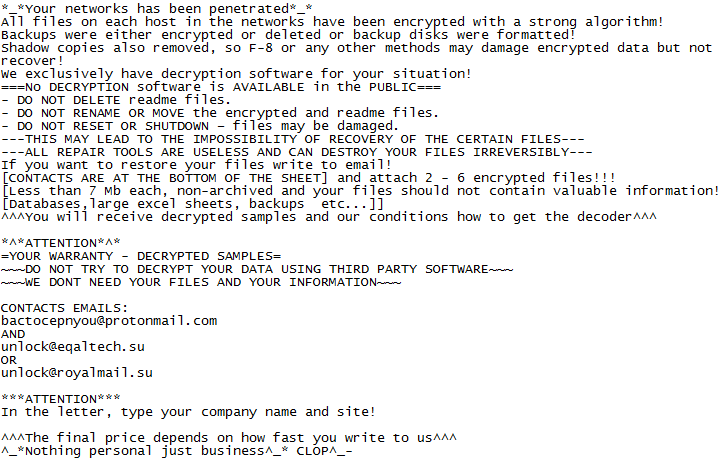
It is the new variant of a well-known CryptoMix ransomware family that aims to exploit the whole computer network instead of individual users. Cybersecurity researchers discovered this variant at the end of February 2019. After gaining persistence in the targeted system, this vicious ransomware encrypts all the stored files by appending .CLOP or .CIOP extension to the end of all victim’s file names. 

Whenever the victims’ tries to open an encrypted file, it displays a ransom note informing the users about the attack and compels them to pay the ransom amount in Bitcoin or other cryptocurrencies for the alleged restoration of their encrypted files.

CryptoMix Clop Ransomware - Latest Computer Virus

Image Credit: Malware Hunter

Read More: 15 Best Free VPN For Windows 10


2. Gandcrab Ransomware

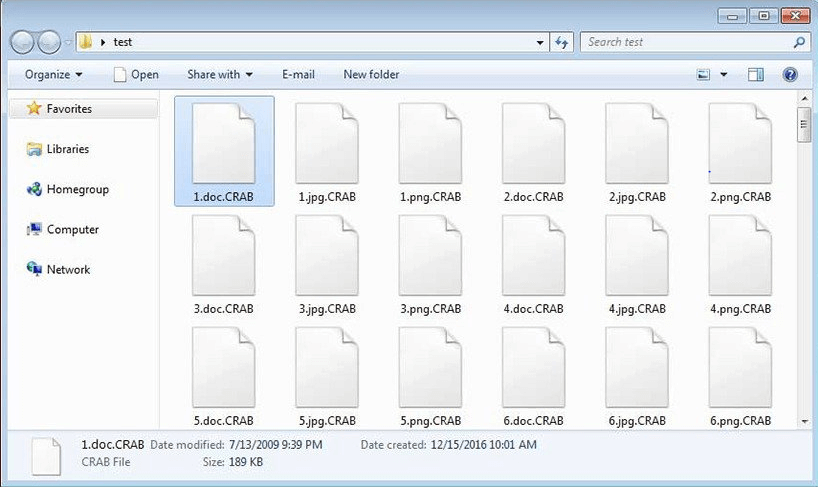
GandCrab, one of the most destructive ransomware crypto viruses which was first introduced in January of 2018. GandCrab family variants have been employing various distribution techniques such as Fallout exploit kits, malicious URLs, keygens, GradSoft, RIG, etc. to make an entry into targeted computers. 

Once executed, it terminates all the active tasks and processes running on the system and starts encrypting all kinds of files and folders available on your hard drive. Also it appends .GDCB extension to the end of all file names and displays a ransom message CRAB-DECRYPT.txt with instructions regarding the payment method.

Creators of such infections use advanced AES–256 and RSA-2048 encryption methods and store the decryption key on command and control servers hosted on .bit domains.

Gandcrab Ransomware - Latest Computer Virus

3. Trojan Glupteba

One malicious program that should never exist in your computer is Trojan.Glupteba as it has a tendency to bring several other malicious programs with itself. Cyber criminals often distribute the Trojan.Glupteba infection through exploit kits. 

The primary purpose of this latest computer virus is to redirect the users to malicious and third-party sites so that it can download and install more harmful software. Mostly the malware infection enters as a service on the affected Windows system and authorizes various processes on the system by masquerading as a legitimate or authentic software.

After doing this, it gathers users’ data for various IP addresses and then generates the traffic by routing the users towards several malicious domains such as sportpics.xyz, bigdesign.website, kinosport.top, ostdownload.xyz, etc. To prevent such threats, avoid visiting unsafe websites, downloading junk attachments and enable your popup blocker.


4. Cyborg Ransomware

Aids Info Disk Trojan (AIDS), also known as the PC Cyborg ransomware virus, was the first of their kind, introduced via floppy disk back in 1989. The malicious program was designed to count the number of times the operating system of a computer turned on, once the tally reached 90, it used to encrypt all the victim’s data and change the desktop wallpaper with ransom message Cyborg_DECRYPT.txt. 

The ransom note informs the victims about the encryption and asks for a huge sum of money in return if they want to decrypt their files. In addition, recently cyber crooks used an executable file disguised as a .jpg image format to distribute the variant of Cyborg through a fake Microsoft Windows 10 update.

To protect yourself from this ransomware, never click or download any kind of attachment files with .jpg extension coming from an unknown or unsolicited sender.

Cyborg Ransomware - Latest Computer Virus

5. Melissa Virus

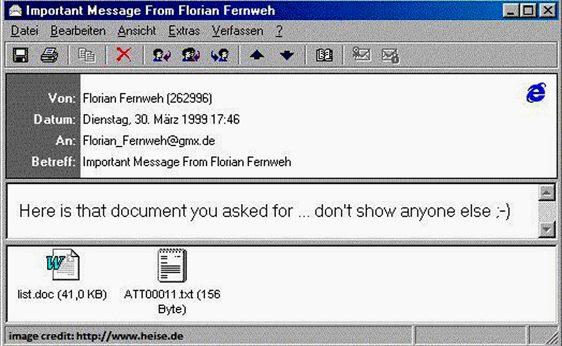
The Melissa was one of the most dangerous macro viruses, developed by a software programmer named David Lee Smith back in March, 1999. The virus was distributed through an e-mail attachment titled list.doc. When the users opened the document with Microsoft Word, the Melissa virus was injected onto the victim’s computer. 

It was specifically designed to take control of the victim’s Microsoft Outlook program and then mass mail itself to another 50 individuals present in the user’s mail list.

Melissa Virus - Latest Computer Virus

6. ILOVEYOU

ILOVEYOU, also known as the Love Bug, is one of the deadliest computer worms that exploited more than 10 million systems since it was first discovered in May, 2000. Hackers distributed it via an email message with a document titled as “LOVE-LETTER-FOR-YOU.txt.vbs”.

Upon clicking the interpreted file, it executes the Visual Basic script and starts overwriting a wide array of stored files, including Microsoft Office, media files, and backup files. And then it makes the most of the vulnerabilities of Microsoft Outlook by mass mailing a copy of itself to all other recipients available in the Windows Address Book. 

It allowed malware authors to cripple millions of internet-connected systems and due to the fact many governments and large organizations around the world were forced to shut down their mail delivery systems.

ILOVEYOU - Latest Computer Virus & Malware Threats

Image Credit: Wikipedia


7. Storm Worm

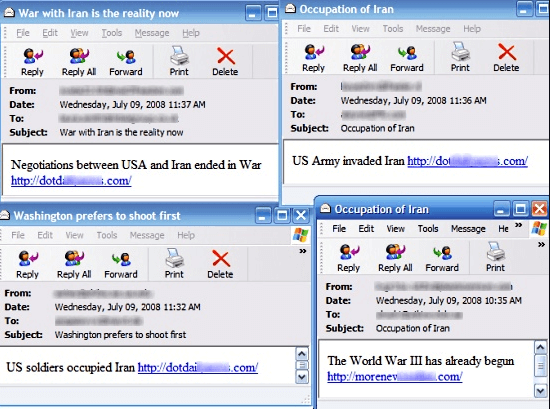
Storm Worm is another dreadful Trojan horse which was first dubbed by the company named F-Secure in the first month of 2007. The malware attack began affecting hundreds of computer using Windows operating systems through an email message with following subject lines:

  • 230 dead as storm batters Europe.
  • War with Iran is the reality now.
  • Occupation of Iran.
  • Naked teens attack home director.
  • A killer at 11, he’s free at 21 and kill again!

When the user clicks on such attachments, the Storm Worm activates the wincom32 service and downloads several other malware-infected software, turning the compromised system into a bot or zombie computer. In addition, the hackers behind such attacks can remotely control the botnet and further use it to send spam messages and viruses to other computer users.

Storm Worm - Latest Computer Virus & Threats

Image Credit: Wikipedia 

Read More: 13 Best File and Folder Lock Software For Windows 7, 8, 10


8. Emotet Malware

Emotet, also known as the Mealybug, is an extremely harmful banking Trojan that acts as a downloader of other malicious programs. Emotet malware is one of the most dangerous malware threats of 2019.

Recently cybersecurity researchers discovered that hackers are now exploiting the fear of global epidemic Coronavirus to spread Emotet malware through malicious email attachments in Japan.

The spam email messages claim to provide the latest information about the outbreak of the Coronavirus and once the users clicks on the document, the Emotet malware gets installed onto their computer. After gaining access to the victim’s computer, it steals both personal and financial information and later trades it on the dark web marketplace. 

Emotet Malware

9. B0r0nt0k Ransomware

A new cryptovirus of ransomware family called B0r0nt0k is targeting thousands of Linux and Windows web servers and encrypting all of the available files with an advanced cipher algorithm.

Instead of directly locking them, the ransomware places .rontok extension at the end of file names. Unlike other ransomware viruses, it makes false entries in the Windows registries, modifies various start-up and browser settings, disables security programs, and locks down the entire system.

The sole purpose of developing such dreadful file-encrypting malware is to extract a hefty amount of ransom money from innocent computer users. And if the victim fails to pay the ransom within a given time, the attacker deletes all the stored files and folders permanently. 

B0r0nt0k Ransomware

10. Jigsaw Ransomware

Jigsaw is one of the most dangerous and well-known ransomware families with hundreds of variants of the malware. Cybercriminals often distribute this type of malicious program via junk attachments, free software updates, pirated movie download links, unsafe third party domains, etc.

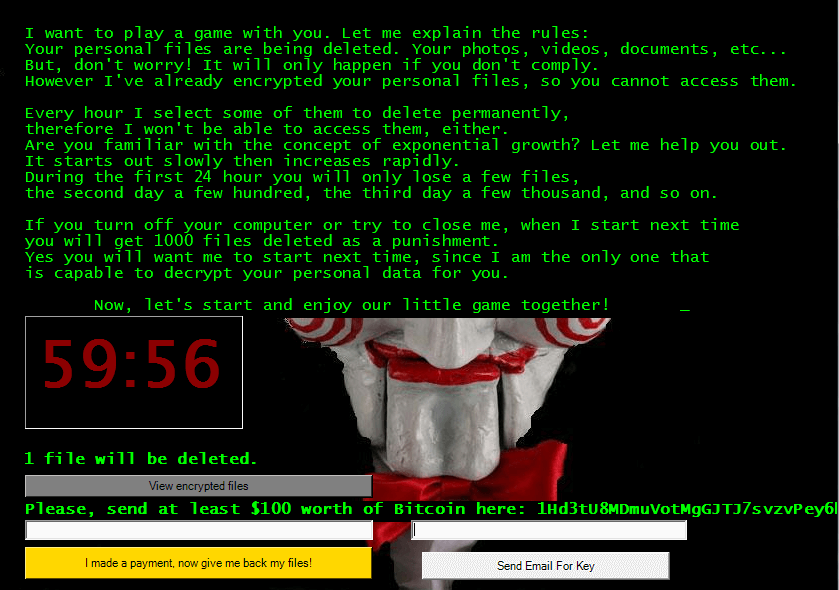
After successfully invading the targeted system, it encrypts the victim’s files with extensions such as .Fun, .Beep, .FuckedbyGhost, .Game, etc. After doing this, it shows a ransom note which contains information about the payment method and threatens to delete some files permanently every hour if the user fails to transfer the money within a given time period.

However, a company named Emsisoft is now claiming that they’ve managed to develop a decrypting tool for Jigsaw ransomware variants. 

Jigsaw Ransomware

11. Thanatos Ransomware

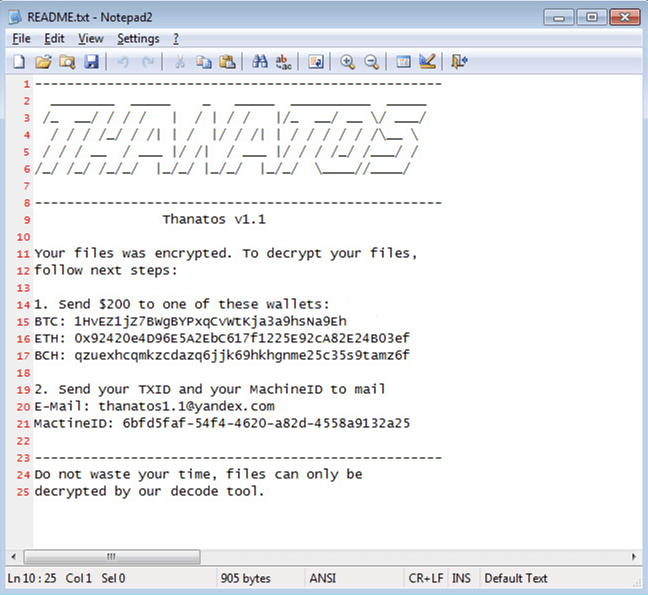
It is another highly dangerous malicious computer virus that belongs to a ransomware family called Thanatos. Similar to other cryptovirus, it encrypts the user’s data and appends .THANATOS extension at the end of each compromised file name. For example, file named luck.txt will be encrypted and renamed to luck.txt.THANATOS. 

After encrypting, it starts blackmailing victims’ by not allowing them to access their files until they pay the ransom amount demanded by the attackers. It is suggested that you should never trust such cybercriminals because once you paid the ransom amount, there’s no guarantee that you would be able to retrieve the lost or encrypted files.

To keep your system secure from such harmful malware infections, it is recommended to install a good antivirus program so you can protect yourself from any future computer virus attacks.

Thanatos Ransomware - Latest Computer Virus 2020

Image Credit: iobit


12. Jokeroo

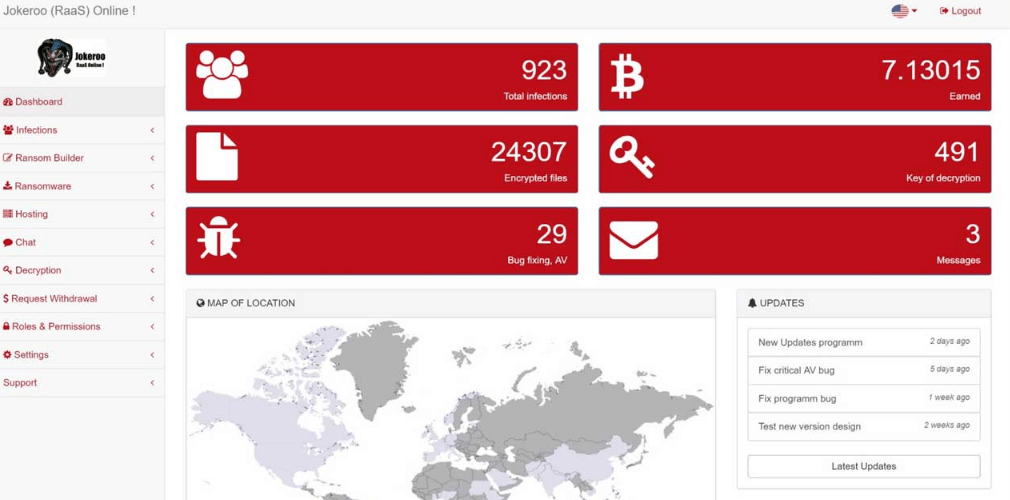
Jokeroo is one of those recent computer viruses that cybercriminals are now using as ransomware-as-a-service (RaaS) to offer various membership packages with compact malicious kits to launch ransomware attacks. 

Hackers are promoting Jokeroo RaaS via Twitter and on various underground hacking forums, allowing other people to become an affiliate, distribute the ransomware, and then split the ransom amount that they would receive from the victims. 

To keep your data and online identity secure, it is recommended to avoid clicking suspicious websites, pop-up ads, junk attachments, etc. and make sure that all your security programs are up and running.

Jokeroo - Latest PC Threat

13. Gameover ZeuS

GameOver Zeus (GOZ) is a peer-to-peer (P2P) credential-stealing Trojan-malware of the Zeus family that also acts as a downloader and dropper of the CryptoLocker ransomware. 

The cybercriminals started spreading Zeus malware through phishing and spam email campaigns and once injected to the target system, they constantly monitor or control its activities via command and control servers.

After gaining access to the victim’s computer, the malware steals the user’s financial details, including username, passwords, credit card information, etc. Apart from that, scammers used it to download and launch other malicious executables and hide essential confidential files in order to make profits via blackmailing innocent users. 

Gameover ZeuS - Latest Computer Virus

Read More: 12 Best Privacy Apps For Android in 2020


14. GoBrut

GoBrut is one of the latest computer viruses that made its first appearance in March, 2020. This new emerging malware threat is written in the Golang programming language with the sole intention to cause damage on thousands of Linux and Windows-based machines.

Even though the malware is in its early stage of development, it is still capable of exploiting the vulnerabilities of the computers running without the proper antivirus program or using weak passwords. Thus, it is extremely important to use a strong and hack-proof password along with an updated antivirus suite to prevent such kinds of dangerous malware attacks.

GoBrut - Latest PC Threats

15. MyDoom

The Mydoom worm, also referred as the W32.MyDoom@mm, Shimgapi and Novarg, is the fastest-spreading virus, surpassing earlier records set by the ILOVEYOU malware.

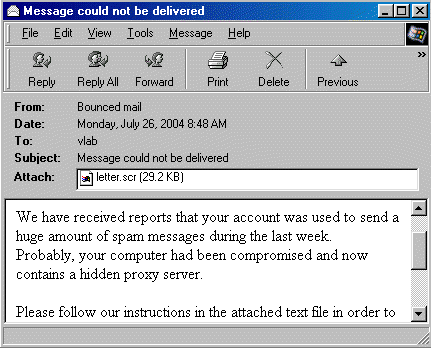
Mydoom computer was first surfaced in January, 2004 and distributed via mass mailing with subject lines such as transmission error, test, mail delivery system, message could not be delivered, etc. in many different languages.  

When the user downloads the attachment, the worm gains access to the victim’s system and resends itself to more people found in the user’s contact lists.

MyDoom - Latest Computer Virus

Image Credit: Computer Virus


16. Ryuk Ransomware

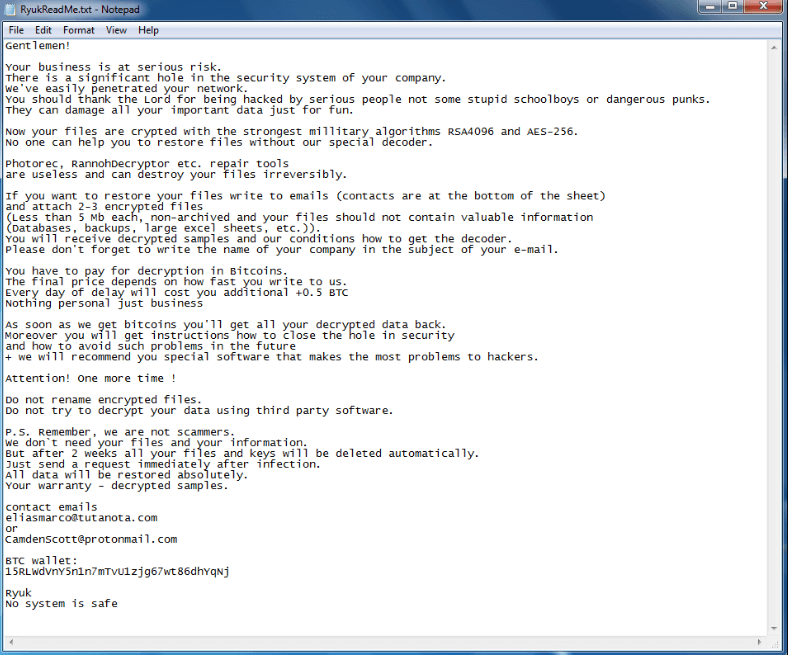
Ryuk ransomware is one of the most lucrative ransomware attacks being witnessed by the large organizations and high-profile business leaders today. The ransomware is operated by a threat group named WIZARD SPIDER that focuses on infiltrating the computer networks of the large group of companies so that they could get a large sum of ransom amount in exchange for their encrypted data.

The hackers behind such ransomware attacks use strong encryption algorithms such as AES-256 and RSA-4096 to encrypt the files which means using any other free decryption tools available online would not be able to help you retrieve your data.

According to recent reports, the ransomware is now exploiting the fear of the global Coronavirus epidemic and targeting large health organizations and other healthcare facilities to trigger high-value malware attacks.

Ryuk Ransomware - Latest Computer Virus

17. Astaroth Trojan

Astaroth Trojan is one of the recent malware threats that is capable of stealing both personal and sensitive information such as login credentials, passwords, credit card details from the compromised system without the knowledge of its owner.

This information stealer is typically delivered via massive spam campaigns in Brazil and some parts of Europe near the end of 2018.  The Astaroth Trojan malware poses a dangerous threat to security of all operating systems. Therefore, never click on spam emails from unknown senders because it may contain harmful modules of various malware infections.

Astaroth Trojan - Latest PC Threats

18. LockerGoga Ransomware

The LockerGoga ransomware is one of the nastiest cryptoviruses that made its presence felt when it attacked the systems of one of the largest aluminium manufacturer companies worldwide, Norsk Hydro.

Unlike other ransomware families, the main objective of LockerGoga ransomware is to cause damage and disrupt general operations. Once injected into the targeted system, it locks the victim out of the compromised computer by changing the credentials of its accounts.

The only way to keep yourself safe from this ransomware is to keep your Windows OS and security programs updated at all times. 

LockerGoga Ransomware

19. Sasser & Netsky

Sasser & Netsky are two dangerous computer worms developed by a 17-year-old student of computer science, Sven Jaschan. The Sasser worm was designed to scan the random IP addresses and exploit the PCs running on vulnerable versions of the Windows 2000 and Windows XP operating systems.

Whereas the Netsky was designed to spread via mass email campaigns. However, it is really easy to neutralize the effects of such computer worms, all you need to do is update your system through Windows Update and you’re your firewall properly configured.

Sasser & Netsky - Latest Computer Virus

20. Anna Kournikova

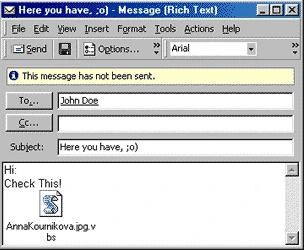
The Anna Kournikova virus is another computer worm created by a 20-year-old student named Jan de Wit in February, 2001. The worm was designed to entice users into clicking a picture of the well-known tennis player Anna Kournikova, distributed via spam email attachment titled as “Here you have, ;0)”. 

Upon clicking the message, it installs a malicious VBScript program which would then auto-send itself to other contacts available in the victim’s address book. However, the computers running on Linux and Macintosh operating systems were not affected by this dangerous computer virus.

Anna Kournikova - Latest PC Virus

Read More: 11 Best Free Adware Removal Tools For Windows


21. CDPwn

One of the latest computer viruses in 2020, CDPwn is a combination of five extreme, zero-day vulnerabilities discovered by cybersecurity researchers in the Cisco Discovery Protocol (CDP). Cisco Discovery Protocol acts as a data link layer and obtains info about the associated Cisco equipment.

In addition, the five CDPwn vulnerabilities can allow remote attackers to take control of millions of Cisco devices such as routers, cameras, switches, IP phones, firewalls, NCS systems.

Four of the five vulnerabilities are remote code execution (CVE-2020-3119, CVE-2020-3118, CVE-2020-311, and CVE-2020-3110) whereas one is a Denial of Service vulnerability (CVE-2020-3120).

CDPwn - Latest Computer Virus

Image Credit: Help Net Security


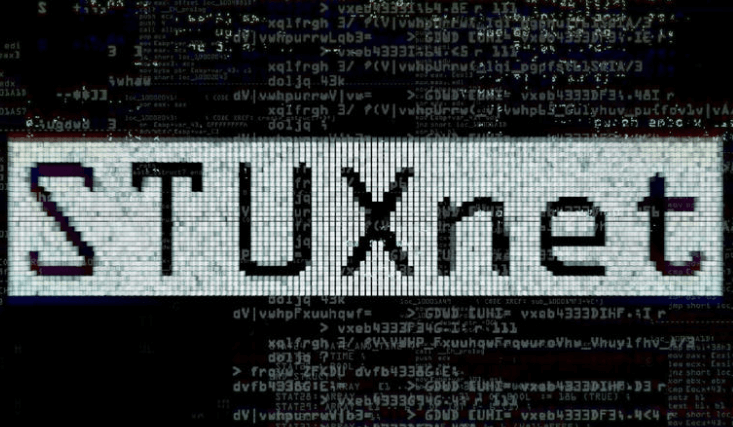
22. Stuxnet

The Stuxnet Worm was originally developed by the United States in collaboration with the Israel government with the sole intention to cause substantial damage to Iran’s nuclear facilities.

However, neither government has taken the responsibility of such actions, the malicious computer virus appeared to take control of Iranian supervisory control and data acquisition and programmable logic controller systems to cause damage to gas and nuclear centrifuges. 

As a result, the Stuxnet virus attack reportedly ended up infecting Iran’s thousands of industrial control systems.

Stuxnet

23. Conficker

Conficker, also referred as the Kido and Downup, is the largest computer worm, infecting more than 9 million Windows computers in over 190 countries since its first ever appearance in November, 2008.

It exploits the vulnerability of Windows operating systems and turns the compromised machine into a botnet to launch high-profile distributed denial-of-service attacks (DDoS), steal victim’s data, run spam campaigns, etc.

To protect yourself from such computer worms, keep your Microsoft Windows software and other programs up-to-date.

Conficker

Image Credit: F-secure


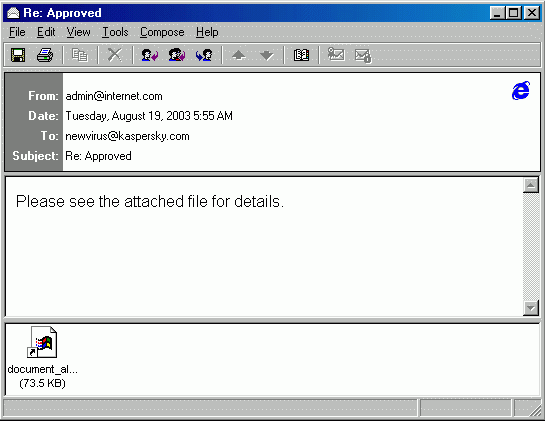
24. Sobig

The Sobig worm, classified as a type of computer malware, infected millions of internet connected devices running on Microsoft Windows operating systems.

Similar to other computer worms, it was distributed via spam email with one of the following subject lines:

  • Re: Details
  • Re: Thank you!
  • Re: Approved
  • Re: Your application
  • Your details
  • Re: Wicked screensaver
  • Re: That movie

The email message was also appeared to contain a document by one of the following titles:

  • document_all.pif
  • your_details.pif
  • movie0045.pif
  • application.pif
  • document_9446.pif
  • wicked_scr.scr

Once users open the attachment, the worm gets installed on the system and starts forwarding itself to other email addresses available in the victim’s computer. To prevent such dangerous computer viruses from entering into your system, avoid clicking on the spam email messages and run its attachments that are coming from the unsolicited sources. 

Sobig - Latest Computer Virus

25. Kuik Adware

Kuik, an advertising-supported software, commonly known as the ‘Adware’, is now infecting Windows users by masquerading itself as a legitimate update of Adobe Flash Player. 

Developers of such programs are dropping Kuik adware in three different segments that are documented as legitimate flash player, upp.exe file, and certificate. After gaining access to the victim’s computer, it builds connectivity and adds the domain name system (DNS) 18.219.162.248 to all established network interfaces.

After doing this, it gathers all the victim’s data, including financial details and sends it to the hosting server named ‘kuikdelivery.com’. And once the domain server acquires the victim’s data, Kuik adware triggers other malicious programs such as harmful chrome extensions, coin miner applications, etc. on the compromised system.

Having talked about the most dangerous and latest threats to your PC, below are the top trending cybersecurity attacks and newest computer viruses that you need to protect yourself from in 2020.


The Top CyberSecurity Trends & Latest Malware Threats of 2020 You Need to Watch Out For:

1. Hackers Abusing WordPress Sites to Deliver Backdoor Malware 

Hackers are recently found exploiting the vulnerabilities of one of the most popular content management systems, WordPress to distribute backdoor malware to news blogs and corporate websites. As per cybersecurity expert reports, the malware was disguised as the legitimate Google Chrome update with the intention to drop other payloads such as Trojan, information stealers on sites based on WordPress CMS.

2. Rapid Surge in IoT Device Attacks

As we become more dependent on IoT (Internet of Things) devices such as video doorbell cameras, speakers, alarm clocks, we can see a massive growth in IoT-based attacks. The number of internet-connected devices doesn’t come with a strong in-built firewall security, leaving them vulnerable to large scale attacks. 

As per the researchers report, almost 98% traffic of IoT connected devices worldwide is unencrypted, putting the privacy and confidential data of the users at stake.

3. Operation ShadowHammer That Leveraged Asus Live Update Software

ShadowHammer, a supply chain attack that allowed cybercriminals to hijack the Asus live update utility software and distribute a secret backdoor malware to millions of compromised machines.

4. Hackers Using Fake Bitcoin QR Code Generator to Steal $45000

Bitcoin QR code generator allows users to convert their Bitcoin address to a QR code for quick and easy money transfers. Recently cyber thieves or scammers have managed to create a malicious barcode generator to steal 7 BTC (Bitcoins) worth of approx. $45000 from the victims. 

So, if you own some bitcoins or any other types of cryptocurrencies, think twice before making any payment through BTC to QR Code websites.

5. Android Banking Trojan Gustuff Stealing Money From Your Bank Account

Another banking Trojan known as Gustuff has targeted more than 130 Android banking, messaging, and cryptocurrency applications. These applications open the door for hackers to get into your smartphone and steal your financial details and transfer money out of your account. 

Popular targeted bank, messaging, and payment apps include Bank of America, J.P.Morgan, PayPal, Walmart, WhatsApp, Skype, and many others.

6. Phishing Attack: Fake Covid-19 Antivirus to Install Backdoor Malware

Phishing is by far one of the most common and top cyber threats that you need to be aware of in 2020. In light of this, security experts have recently discovered a few websites that are taking advantage of the global COVID-19 pandemic to target computer users using a fake ‘Corona Antivirus’ software.

This fake antivirus solution claims to provide physical protection to users through a Windows application. When users fell for the bait, it injected a malware payload and turned the victim’s system into a botnet by using a BlackNET RAT (remote access Trojan).

7. Cyborg Ransomware Found in the Windows Update

Cybersecurity experts have recently uncovered a malicious spam campaign that informs the targeted users about a ‘critical Microsoft Windows update’ and upon clicking the message, it infects the victim’s machine with Cyborg ransomware.

It is suggested not to open or run email’s attachment claiming to be from Microsoft regarding a new Windows update.

8. WinRAR Bug is Being Exploited to Inject Malicious Payloads

With more than 500 million active users, WinRAR is one of the world’s most popular file archiver utility software for Windows available in the marketplace today. Recently security researchers have discovered a 19-years-old WinRAR code-execution flaw that hackers are exploiting to trigger dangerous malware attacks on Windows machines.

Therefore, it is recommended to keep your WinRAR application updated to avoid such harmful infections.

9. Ransomware-as-a-Service (RaaS) Attacks are on the Rise

With each passing year, ransomware attacks are increasing at an alarming rate. RaaS aims to provide malware exploit kits to other people who want to carry out sophisticated attacks but don’t have the sufficient knowledge of coding. In short, it offers everything a novice hacker needs to unleash ransomware attacks on businesses.

10. Hackers Stealing User’s Credentials Via Password Managers 

Recently many cybersecurity experts reported a vulnerability in popular password managers due to which cybercriminals started gaining access to the users’ credentials stored in the password encrypted vaults. The security flaw also left them vulnerable to PIN brute force attacks.

So, these are some of the trending threats of 2020 from which you need to protect your computer. Now, below take a look at the best security practices and tips that can help you prevent them:

Tips to Prevent Dangerous Malware & Computer Virus Attacks In 2020:

Your computer is susceptible to many highly dangerous malicious computer viruses. To neutralize them, it is important to keep yourself ready against such intrusions. Below we’ve listed all the necessary web practices and prevention tips that you should follow to stay safe and get the best, trouble-free PC experience.

1. Get the Best Antivirus & Anti-Malware Software for Your PC

Nowadays, the latest computer virus and malware infections poses a dangerous threat to your system, financial data, and even online identity. Therefore, it is essential to have an antivirus protection suite and an anti-malware tool to keep your system safe from the latest malicious threats.

2. Always Keep Your Windows OS & Other Programs Updated

An outdated version of an operating system or a program could be the hacker’s doorway to your computer. Thus, it is important to keep your system updated through Windows update at all times. By doing this you can protect your PC from virus attacks.

3. Be Cautious About Downloading Third-Party or Freeware Software

Try to avoid third-party download or visiting suspicious sites that offer freeware because they often come bundled with other malicious programs.

4. Don’t Click On Any Pop-up Ads & Things Shouting About Free Rewards

While browsing a website you must have come across numerous online ads that pops up out of nowhere. Cybercriminals often use those tempting advertisements to provoke users to click on them, i.e. spin the wheel to win a brand new iPhone X. 

Never respond to such luring offers and popups in any way. Simply close the site by clicking on the ‘Close’ icon at the upper right corner.

5. Beware of Spam Email Attachments from an Unknown Source

It’s 2020, but still cybercriminals greatly depend on spam and junk email attachments to trigger virus and malware attacks. So, avoid opening any suspicious or spam emails from an unknown sender that asks you to download and run its attachment.

6. Always Use Strong and Hack Proof Passwords

Using weak and easy-to-crack passwords is just like giving your house keys to a thief. Therefore, it is recommended to use a strong and unique password that is easy to remember and hard to guess. Also, turn on multi-factor authentication whenever available.

7. Take Regular Backup of Your Files

Regularly backing up your computer can help you keep your valuable data safe from prying eyes. Therefore, it is suggested to take a regular backup of your important files to an external or cloud drive to prevent any kind of data loss problems.

8. Enable Your Microsoft Defender Firewall 

If your device is connected through a network or the Internet, it is important to keep your Windows firewall turned on to prevent cybercriminals and malicious programs from gaining access to your system.

Writer’s Tip:  If you find a suspicious file on your system, you can upload it on the VirusTotal website and see if it contains any kind of virus and malicious content. VirusTotal, a subsidiary of Google’s parent company Alphabet Inc., is a free online service that aggregates dozens of top antivirus applications to help you analyze suspicious URLs and files in the most efficient manner. 

That’s all folks! These were some of the most dangerous malware and latest computer viruses of 2020. The best way to protect yourself from such malicious threats is to use an updated antivirus program along with a powerful anti-malware tool.  

Apart from that, follow all the aforementioned prevention tips and online safety practices to keep your system secure and safe, always.

1 Comment
    Jana says: Reply
    June 28th 2020, 9:28 am

    Like!! Really appreciate you sharing this blog post.Really thank you! Keep writing.

Leave a Reply Cancel reply

Your email address will not be published. Required fields are marked *

Sidebar Image bit G ad1

Latest Posts

  • Best Ways to Fix Facebook Session Expired Loop Error  (1)
    Best Ways to Fix Facebook Session Expired Loop Error 
    by Gunjita Sompura / April 28, 2026
  • React vs Vue
    React vs Vue Detailed Comparison in 2026
    by Gunjita Sompura / April 23, 2026
  • Top Image Resizing software for Windows PC 
    by Dikshika Singh / April 21, 2026
  • How-To-Download-and-Install-Windows-Fax-And-Scan-In-Windows-11
    How To Download and Install Windows Fax and Scan in Windows 11
    by Dikshika Singh / April 15, 2026
  • How-To-Run-Control-Panel-As-Administrator
    How To Run Control Panel as Administrator in Windows 10/11 
    by Dikshika Singh / April 14, 2026

Categories

  • Cyber Security
  • Driver Updater
  • Entertainment
  • Fitness
  • Games
  • How To
  • laptop
  • OS
  • Reviews
  • Tech News
  • Tips & Tricks
  • Top 10
Sidebar Image bit G ad1
How to Save ‘WhatsApp Status’ How to Save ‘WhatsApp Status’ Photos & Videos?by Monil / August 9, 2019
How to Delete Your Voice Recordings?by Prachi Dani / August 11, 2019How to delete your voice recordings
TechPout Footer Logo

We at TechPout promise to put forth stories that help people to learn and simplify their digital life. Our purpose is to share the true essence of technology with our tech-loving community.

Useful Links

  • About Us
  • Contact us
  • Privacy Policy

Popular Posts

  • Best PC Optimizer Software
  • Best Mac Cleaner Apps
  • Best Driver Updater
  • Duplicate Photo Finder and Cleaner Software
  • Best Free Movie Download Sites
  • Best IPTV Players

Follow us

Copyright © 2026 www.techpout.com. All rights reserved
DMCA.com Protection Status